
How to Create a School Chicken & Garden Committee
June 17, 2024 | Molly Sutton
What is a Coops & Gardens Committee?
A group of people in charge of your school’s Coops & Gardens Program whose main goal is to ensure program success.
Coops & Gardens Committees are ESSENTIAL to program success.
Benefits of a School Chicken & Garden Committee
1. Identifies Priorities
- Committees can help identify program goals, link the garden and chickens to existing curriculum, aid in garden design and coop construction, and help obtain supply and funding needs.
2. Shares Workload
- Outlining a labor plan ensures the program’s maintenance does not fall on one teacher. Committees help prevent burnout and also create a check and balance system.
3. Keeps Momentum
- Having multiple people accountable for the program will it run successfully for years (and may even help expand it!), especially if the original committee teachers leave the school. Not to mention, having a committee in charge of the garden can help share the fun!

Charging a specific group of people with coop and garden planning, maintenance, and responsibility ensures long term program success.
Potential Names for Your Committee:
- GreenThumb Guild
- Harvest Helpers
- Bloom Brigade
- Coop Cultivators
- Garden Guardians
- Sprout Society
- Eco Enthusiasts
- Nurture Network
- Pollinator Partners
- Urban Oasis Crew
- Seed Sowers
- Foliage Friends
- Nature Nurturers
- Veggie Vigilantes
- Herb Haven Helpers
- The Breakfast Club
- Growing Leaders Committee
- The Patch
5 Steps to Building A Committee
Step 1: Gain Approval from School Admin
First Stop: Principal’s office.
From there, your principal may point you to district or state authorities for permission to raise chickens or start a garden at your school.
NOTE:
Before speaking with your principal, prepare by creating some kind of impact report. This formal or informal report can include data from your community, studies on the impact of raising chickens or having a garden in schools, and/or similar programs in your area. We can help connect you with similar projects!
Step 2: Envision Committee Participation and Responsibility
1. Develop goals of the committee.
2. Share expectations of committee members.
- How often will you meet?
- What are they expected to contribute (planning, implementing, maintenance of coop and garden, fundraising, etc.)?
3. Designate Committee Roles
- Elect a Chairman (or co-chairs)
-
- Consider a Chicken Chair and a Garden Chair, or co-chairs for each.
- This person’s biggest responsibility is to delegate tasks and inspire others to get involved to ensure long term success of the program.
-
- Establish responsibilities for committee members. These could include:
-
- Meeting monthly Coops & Gardens Reporting Requirements.
- Managing Social Media pages for your program.
- Leading fundraising initiatives.
- Involving parents and community members (or community partners, like a food bank).
- Leading/planning outreach events.
- Ordering supplies for the coop and garden.
- Finding lesson plans and curriculum to incorporate into your program.
- Treasurer (in charge of finances—remember, Cihckens.org requires two people to have financial responsibility/access).
- Secretary (record meeting minutes and establish contact with others).
-
4. Establish a labor plan.
- When will responsibilities be carried out? Most of these can be during classes and involving students.
- Create a chicken care schedule.
-
- Coop cleaning
- Egg collection
- Letting hens out and locking up in the morning and evening.
-
- Garden maintenance schedule.
-
- Bed prep
- Planting
- Harvesting
- Weeding
-
- Selling (if you plan on selling produce)
- Weekend and break management.
-
- Set up a rotating schedule for breaks and weekends! This is a great time to involve students and parents for extra help.
-
Step 3: Start Building Your Network
- Advertise using posters, newsletters, social media, word of mouth.
2. If you have specific people you would like to see on the committee, invite them personally!
3. Consider the types of people you would want on your committee:
- Teachers
- School Staff (especially maintenance and food service)
- Students
- Involved Parents
- Community Volunteers
- Local businesses (feed stores, grocery stores, garden supply shops, and any others)
- Anyone else who shows interest and is motivated to help!
Step 4: Develop Goals for Program
1. This will look different for every school. Are you growing food to introduce Ag science? Feed families? Teach responsibility?
2. Goals are a an excelent topic of initial brainstorm meetings.
- What are the community and school needs?
- What are the school’s goals?
- Are there site-specific projects?
- How can we integrate community needs and our school’s goals into our Coops & Gardens Program?
- How can we integrate chicken raising and gardening into our existing school curriculum?
Step 5: Train Committee Members
You may use our online video trainings, or design your own! Suggested topics include:
- How to handle/raise chickens.
- Beginner’s guide to gardening.
- Involving students in your Coops & Gardens Program.
- Integrating your Coops & Gardens Program into existing curriculum
- A great option is using our lesson plans or lesson plans from our partners.
- Bring the class outside, or bring the chickens/garden into the classroom every once in a while.
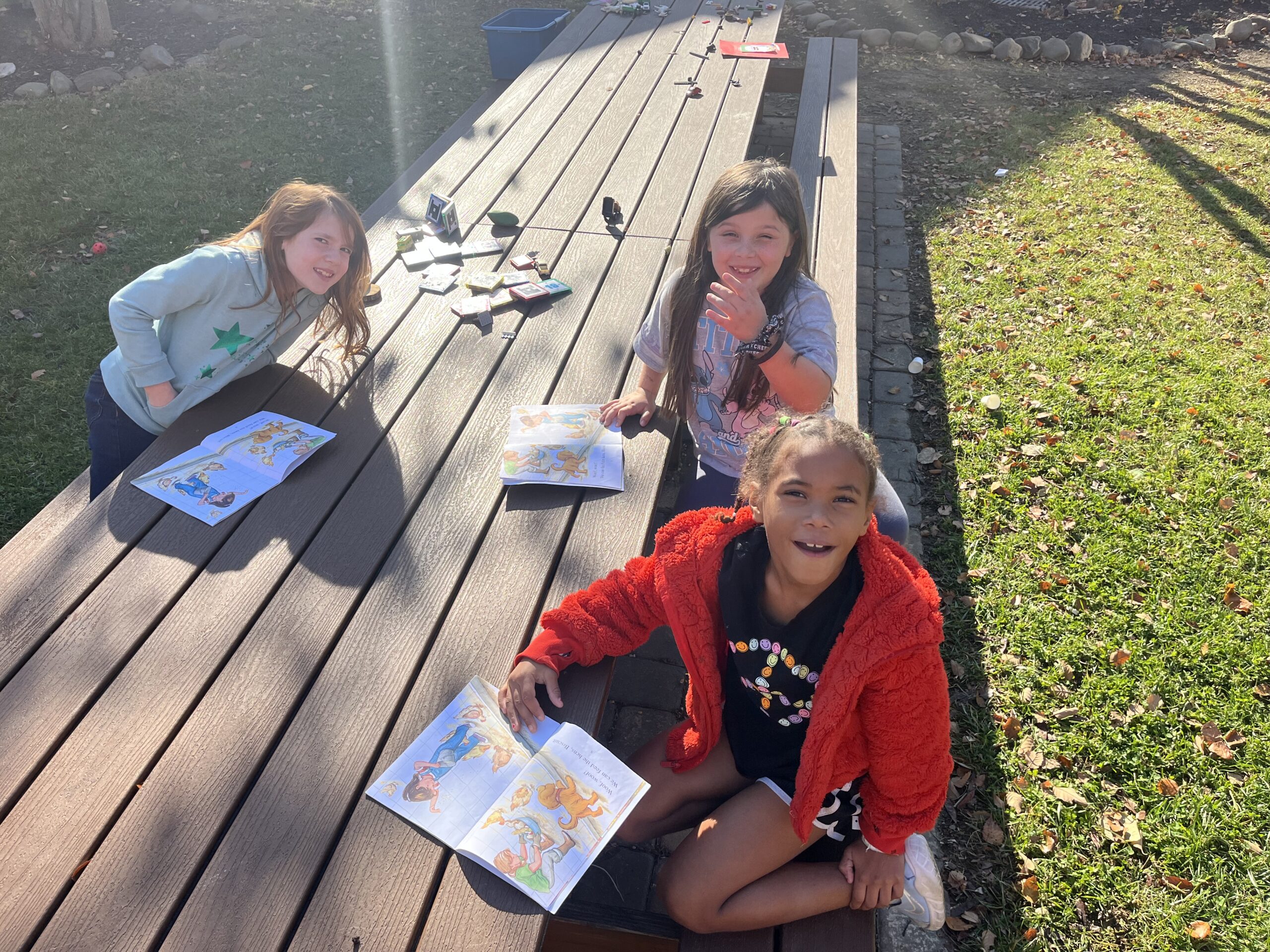
- Have reading time or study hall time outside in the chicken area!
- Use a chicken in a science class!
- Create a cooking class using fresh produce from the school garden!
“When you involve your students in all stages of your garden process, they are going to be more invested in the project’s success. They are going to be inspired to take care of and respect their school garden […] when we value our students opinion and encourage them to make decisions, we as educators are cultivating motivated, confident, and collaborative learners, and hopefully, eventually, leaders.”
-Taylor La Ravina | Growing Maricopa: Ag Lessons in the Garden – School Garden Committee
Including Your Students
Ask students for input during the development of your program.
- Ensures your Coops & Gardens Program will serve the student population in a realistic way.
- Helps students feel connected to and interested in the program.
- Shows students start to end why you have started this program and helps gain a complete understanding of food processes.
Create a social contract with your students.
- This “contract” can explain rules of the coop/garden.
- Decide on these rules together.
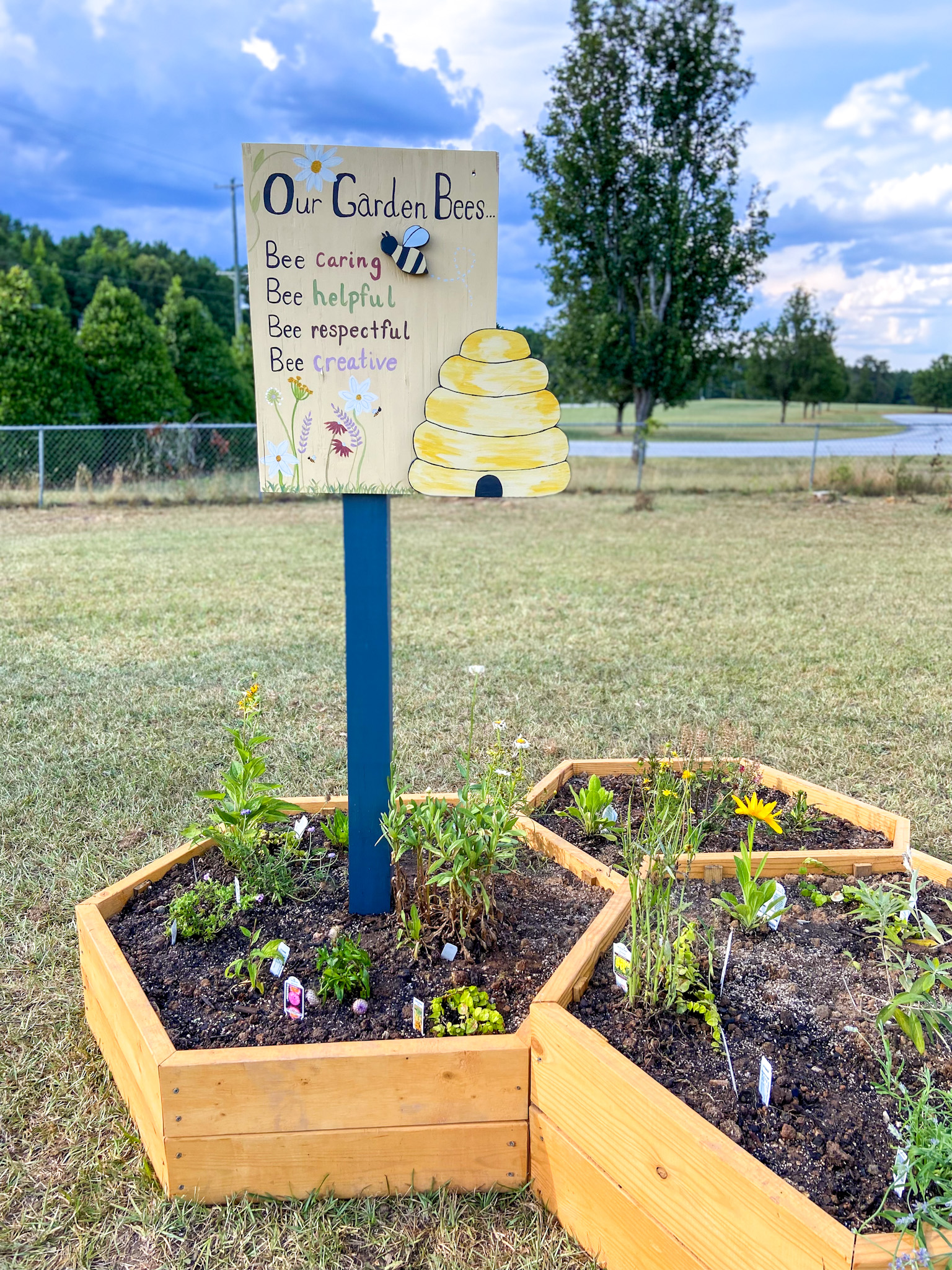
- Consider posting them somewhere in your outdoor classroom/garden space as a reminder.
Examples:
- Respect the space. Respect the creatures. Respect each other. Respect yourself.
- Your mind is the garden, your thoughts are the seeds. You can grow flowers or you can grow weeds!
- Our Garden Bees: Bee Caring. Bee Helpful. Bee Respectful. Bee Creative.
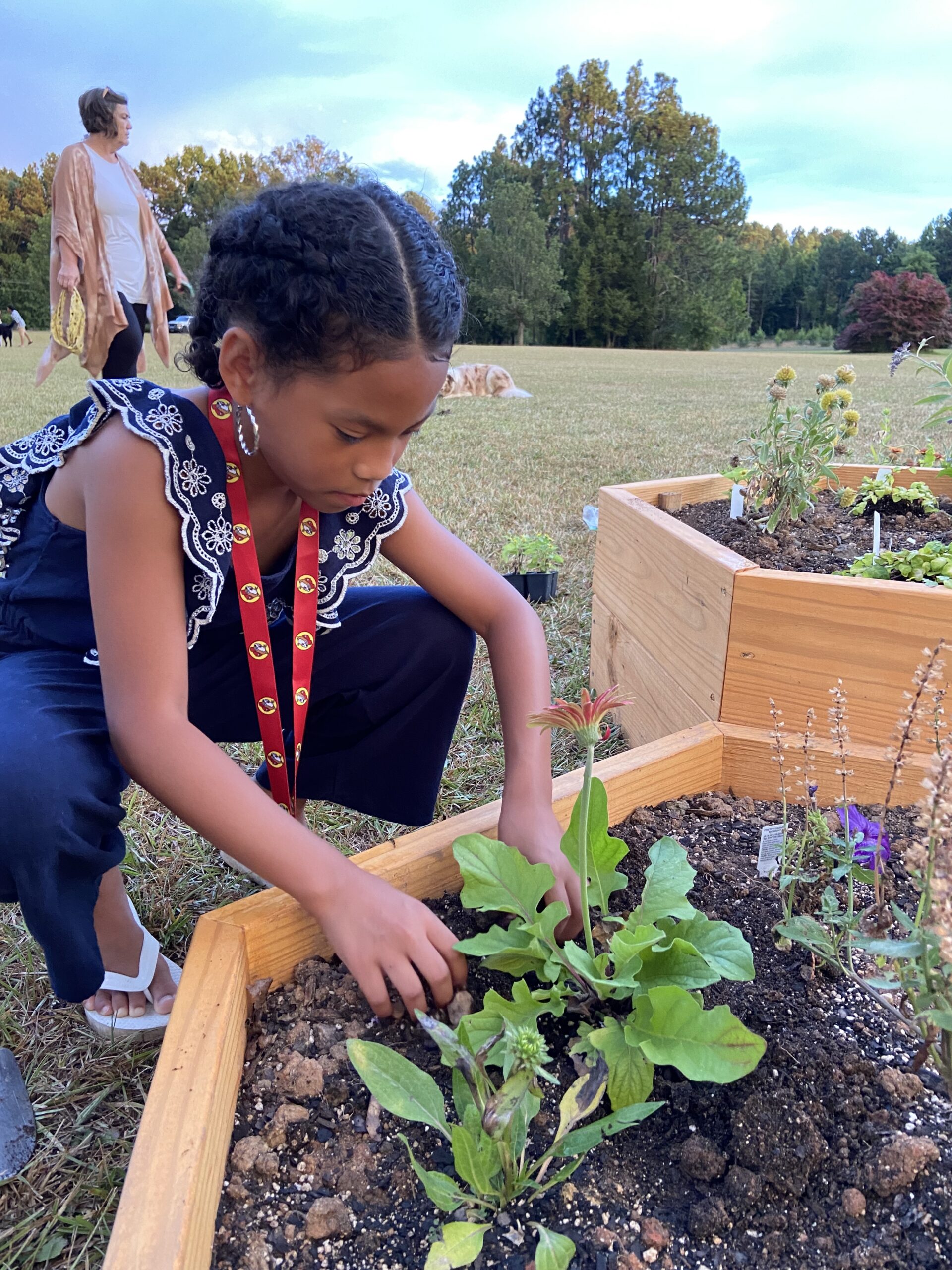
Incorporate the chicken and garden areas into lesson plans.
- Engage your school community by making the coop and garden area an integral part of the life of your school. You will quickly find that the program will benefit and excite more than just the students and faculty working directly in the garden.
- The best way to make use of your coops and garden area is to include them in existing curriculum.
-
- Opt to have class outside on a nice day.
- Bring the chickens inside for a science lesson.
- Cook vegetables grown in the garden in a cooking class.
- Have students read outside with their chickens!
-
For more ideas on incorporating your coop and garden into your lesson plans, sign up for our newsletter and visit our blog!
Mastering Interactive Quizzes: Step-by-Step Strategies to Maximize User Engagement and Data-Driven Optimization
Interactive quizzes have become a cornerstone of engaging digital experiences, offering a powerful way to boost user participation, gather valuable insights, and personalize content. However, crafting quizzes that truly resonate and deliver measurable results requires...
Karma and Consequence: From Ancient Wisdom to Modern Games
Karma, the timeless principle that actions yield proportional outcomes, serves as a universal moral law woven through human experience and nature alike. Rooted deeply in ancient philosophies—Hindu, Buddhist, and Daoist traditions—karma teaches that every choice...
0 Comments